
Repairing my Car
Canadian Tire quoted me $1500 for a vacuum leak on my car. So I fixed my own car this winter. I tore the camshaft valve cover off my 2015 Cruze, added a new channel for positive airflow and hunted down a vacuum leak. First real repair I’ve done on a car.
The cool stuff
First-generation Cruze engines have a known flaw. There’s a little orange flap on the intake manifold acting as a check valve to create the perfect amount of air pressure in the engine. The flap eventually breaks off and gets sucked into the engine. Now there’s an air leak, the fuel mixture goes wrong, and the car runs rough: rough idling, check engine light, the works.
Luckily this is such a common issue that someone actually sells a kit for it! Amazing.
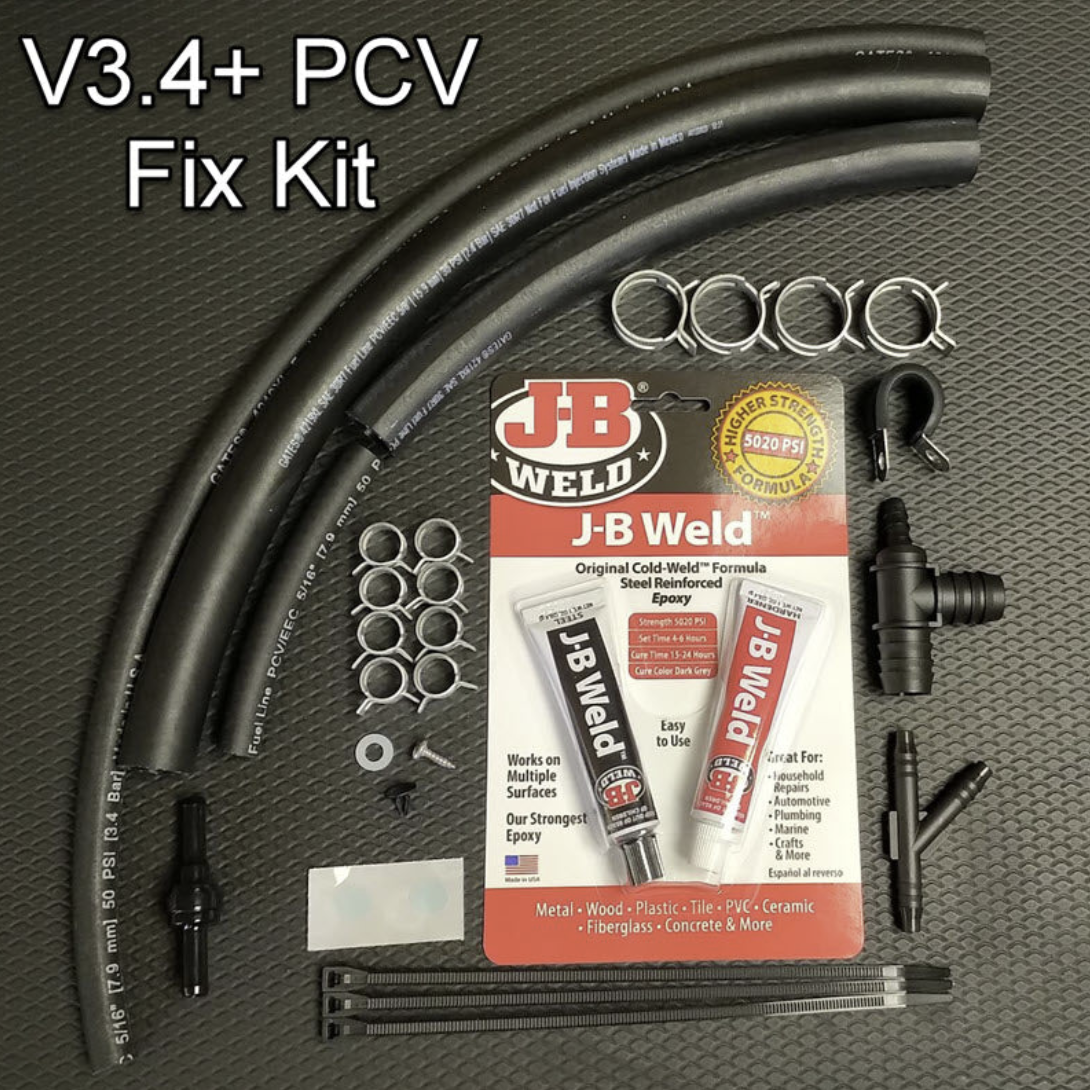
The nervous stuff
The tutorial is clear, but given that I have never done anything on my car I had so many fundamentals to learn that the tutorial glossed over. Torx versus metric was a problem I had to Google. It felt like there was plenty of room for one small mistake to turn into an expensive one. Disassembly was great. Check out the camshafts!
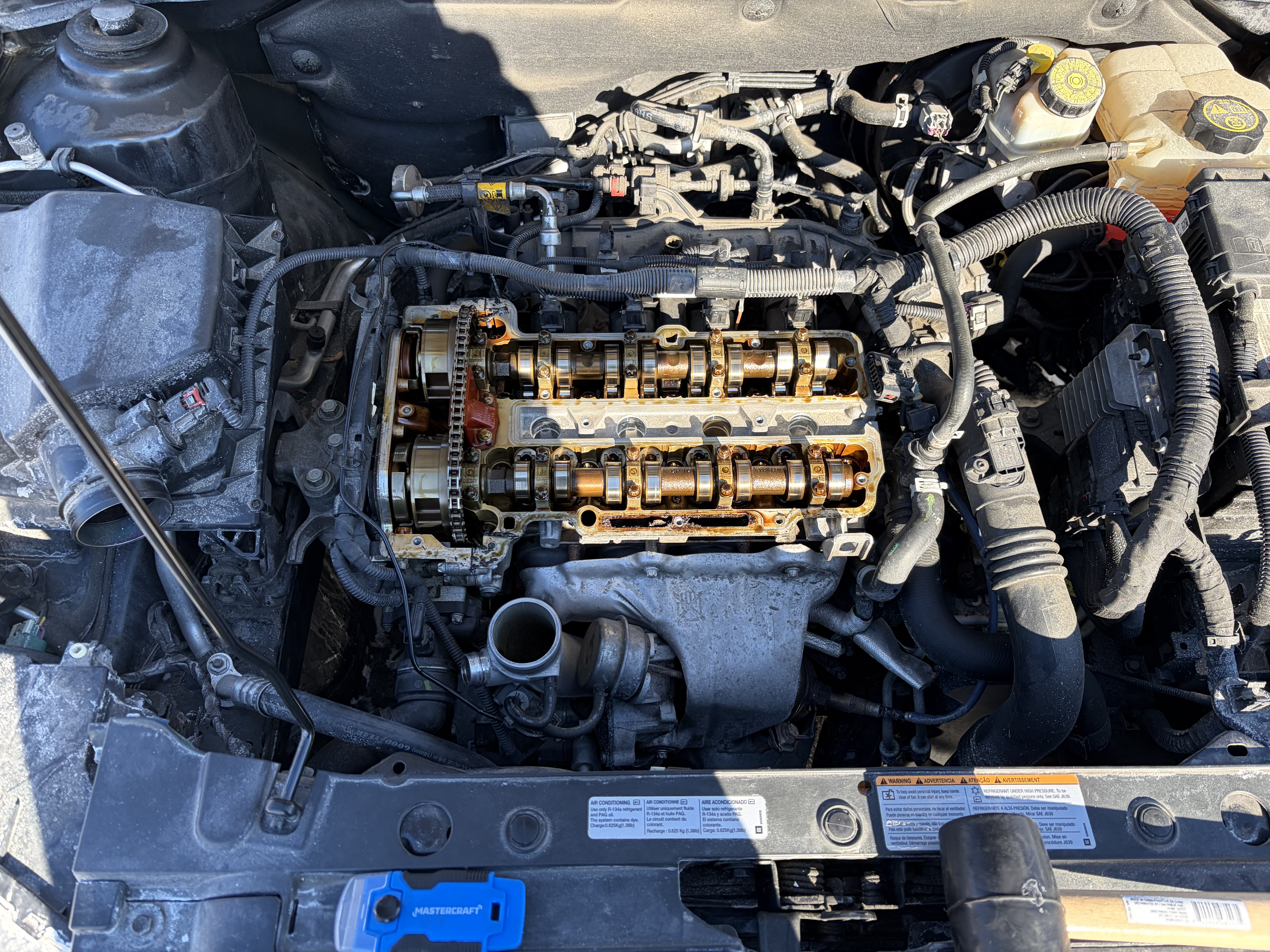
The painful stuff
Part of the tutorial was torquing the valve cover bolts to spec. The guy in the video had an automatic torque wrench that clicked and stopped. With my manual one, I figured the same thing would happen: crank until it stops. It does not stop. At lower torque the click you’re supposed to feel is very faint. At higher torque the bolt snaps. So that’s how I got thrown into the deep end.
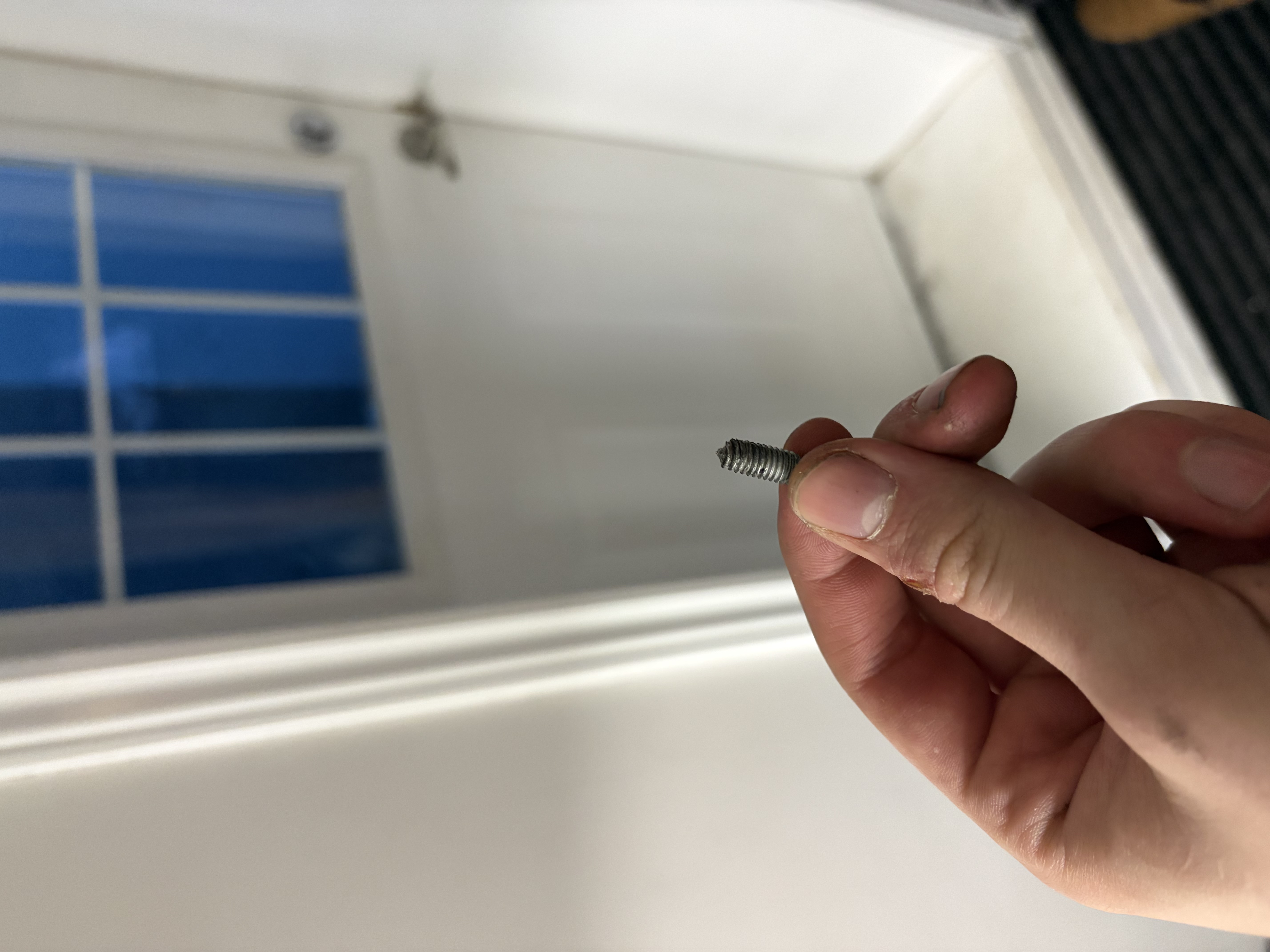
I bought a left-handed drill bit, drilled the bolt out just enough to twist it free with vice grips, and recovered a replacement bolt from the old valve cover. Crisis averted.
Day 2. Everything reassembled, epoxy cured for 24 hours. I turn the key expecting a clean idle. The engine is worse. Rough idle so bad the engine shakes when I let it sit. A loud hiss from somewhere under the hood. I reseat every clip. Zilch.
I notice the smaller fuel lines twist on their barbed connections. The bigger ones don’t. I email the kit creator. He says no, that’s not normal. I order smaller line, rip the contraption out, reinstall, key on. Same hiss, same shake.
The right way to find a vacuum leak is a smoke machine: pump smoke in, watch where it escapes. They cost $80 to $100. I tried to improvise with a cigar and a siphon, sucking smoke out of the cigar and pushing it into the engine. In practice, I stood in my driveway seeing exactly zero smoke escape from anywhere useful. I was a little worried someone was going to think I was running a drug operation.
Back to research. The EVAP purge valve commonly fails. It’s not supposed to suck air until the engine warms up, but the gate sticks open with age and causes rough idle. I unhook mine, test it, and of course air’s pulling through. I drive across town to a Parts Source open late enough (shoutout the cashier who used to own a first-gen Cruze and had the exact same problem). New valve in. Key on. Same issue.
I cave and order the smoke machine. By the time it arrives my battery is dead from sitting, and the smoke machine runs off the car’s battery. I pull my girlfriend’s car up nose-to-nose, pop her hood, and clip the machine to her battery while pointing it at mine.
Found it.
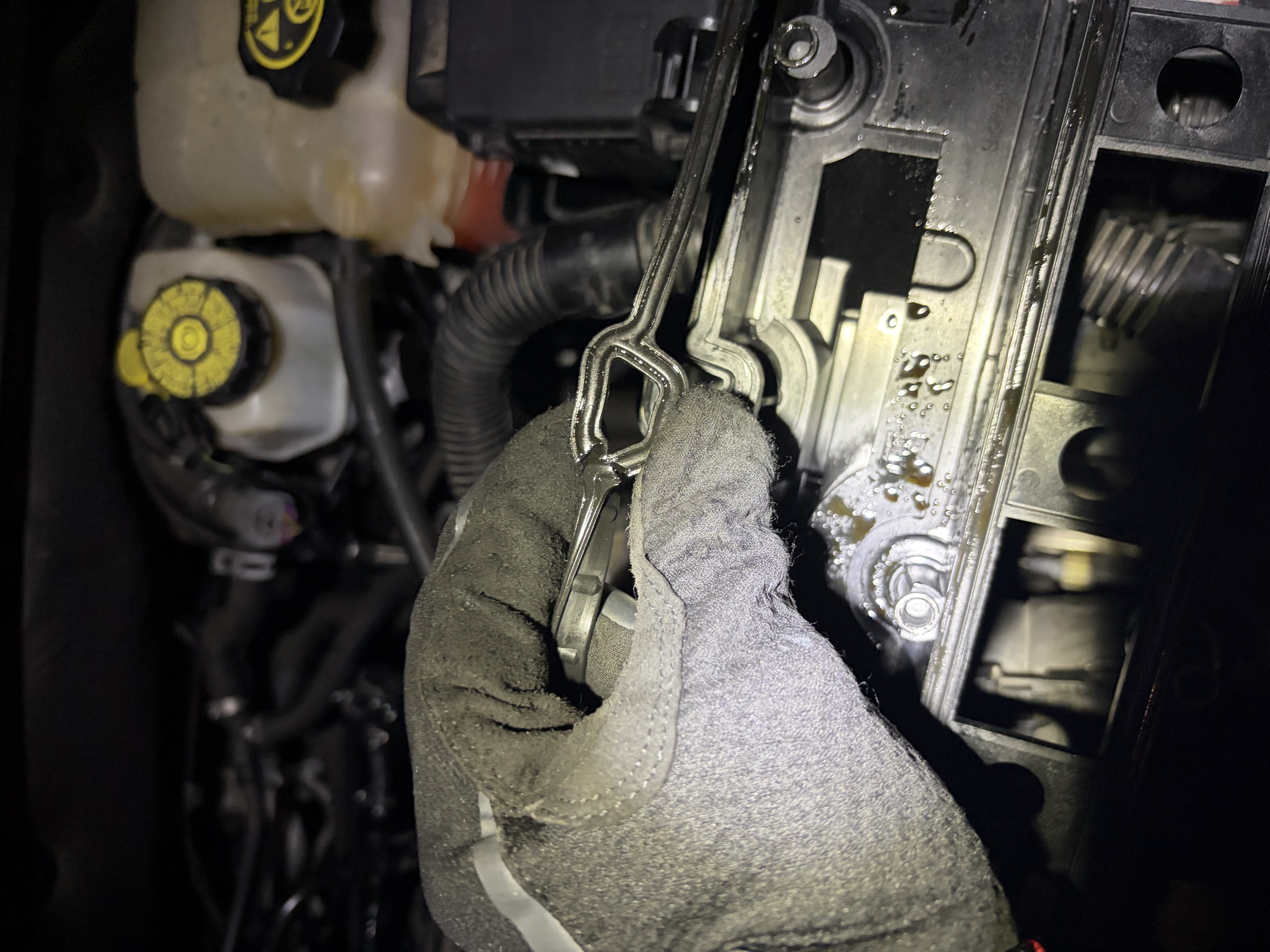
The brand-new valve cover I just installed. Gasket blown. Maybe the EVAP valve damaged it, maybe I tightened the bolts in the wrong order (I followed the spec). Either way: one new gasket, and we’re back in business. Air leak fixed.
The good stuff
I’ve done some small work on my girlfriend’s Ford Escape and wow, what a massive difference in the design of the Cruze. The Escape packs everything in tight: you’re removing three things you don’t care about to reach the one thing you do. The Cruze, by comparison, was incredibly easier to work on. Bolts are accessible and there is ample room to maneuver.
I’m not a car guy. No cold air intake whistle, no enormous wing bolted to the trunk. But the car runs right again, and it runs right because I made it run right, not because I handed someone $1500 and hoped. That feels good.